Keratin and protein treatments are often spoken about interchangeably, but they serve different purposes within haircare. Understanding the difference is important, especially if your goal is healthy, resilient hair rather than short-term cosmetic results. Using the wrong treatment for your hair’s needs can lead to dryness, stiffness, or breakage rather than improvement.
Scientific research into hair fibre structure shows that hair health depends on a balance of strength, elasticity, and moisture¹. When that balance is disrupted, targeted treatments such as keratin or protein can help, but only when chosen correctly.
What Is Keratin and Why Does Hair Need It?
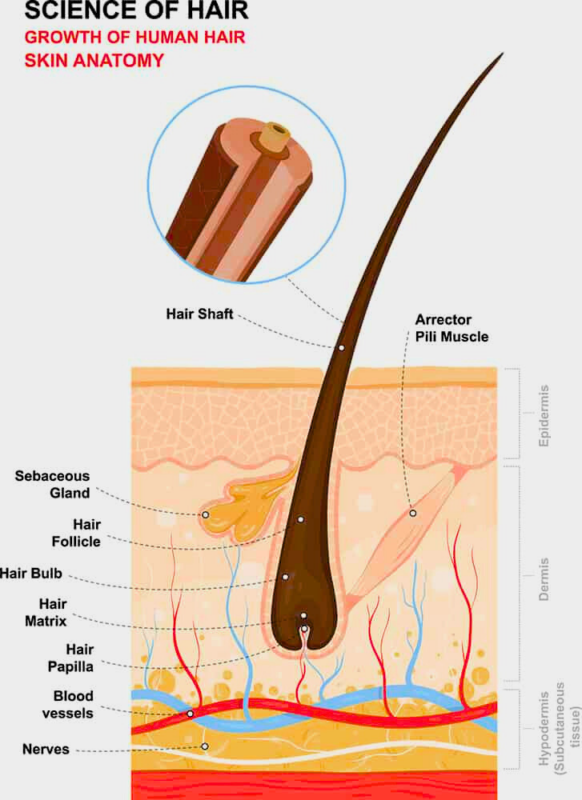
Keratin is a structural protein that naturally makes up the hair shaft. It forms the cuticle and cortex of the hair fibre, contributing to strength, smoothness, and protection against environmental damage². Heat styling, chemical processing, UV exposure, and pollution can reduce keratin levels over time, leaving hair more vulnerable to breakage.
Keratin treatments are designed to smooth the hair cuticle by coating the strand with keratin and sealing it using heat. Studies show that keratin-based treatments can improve tensile strength and surface smoothness, making hair appear shinier and more manageable³. However, these effects are largely cosmetic and temporary, as the keratin does not permanently repair internal hair damage.
What Are Protein Treatments?
Protein treatments use proteins that have been broken down into smaller molecules, often referred to as hydrolysed proteins. These can include hydrolysed keratin, wheat protein, silk protein, or plant-based proteins.
Research indicates that hydrolysed proteins can temporarily bind to weakened areas of the hair shaft, helping to reinforce structure and improve resistance to breakage⁴. Protein treatments are particularly beneficial for hair that feels weak, limp, overly soft, or prone to snapping.
Unlike keratin smoothing treatments, protein treatments usually do not change the hair’s texture or curl pattern. Instead, they support strength and elasticity, especially when hair has been damaged by colouring, relaxing, excessive heat, or mechanical stress.
Keratin vs Protein Treatments: The Key Difference
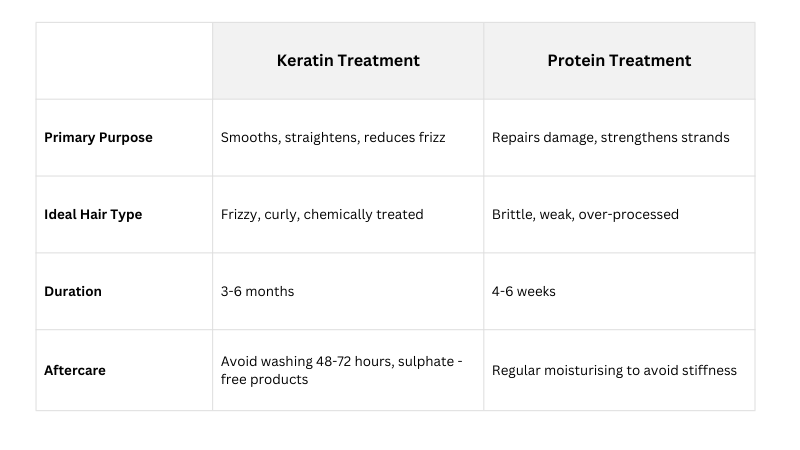
Although keratin is technically a protein, keratin treatments and protein treatments function differently.
Keratin treatments focus on smoothing the cuticle and improving the appearance of hair. Protein treatments focus on strengthening the hair fibre and supporting elasticity. From a scientific perspective, keratin treatments mainly affect the surface of the hair, while protein treatments help reinforce internal weak points⁵.
Neither is inherently better. The right choice depends on your hair’s condition, texture, and porosity.
Suitability Based on Hair Type and Texture
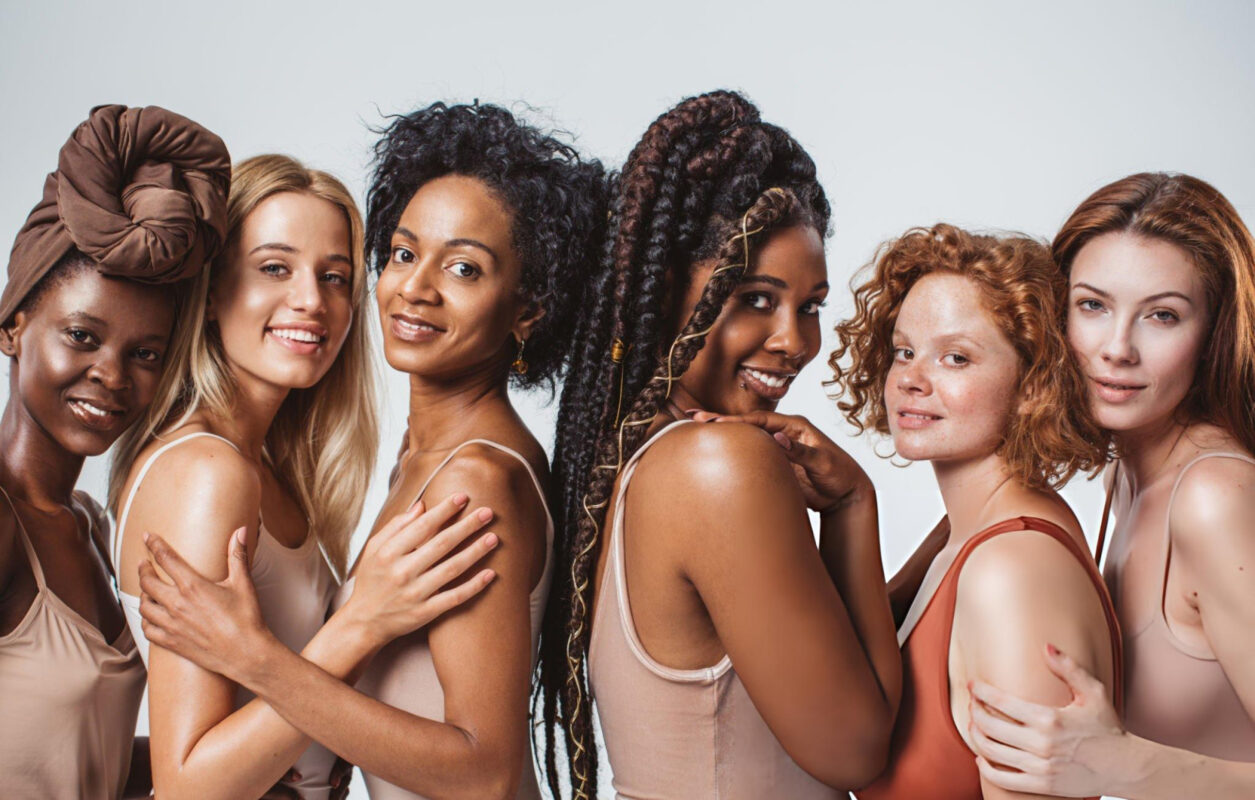
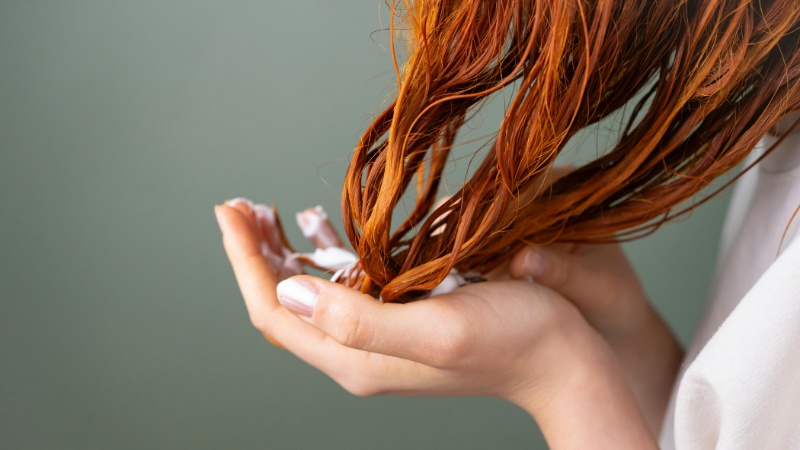
Inclusive haircare recognises that different textures respond differently to treatments.
Straight and wavy hair types may benefit from keratin treatments when frizz reduction and smoothness are the main goals. However, frequent keratin treatments can cause hair to feel flat or coated if overused.
Curly hair requires flexibility and moisture to maintain definition. Heavy keratin treatments can sometimes reduce curl pattern or cause stiffness. Light to moderate protein treatments can be helpful for curls that feel overly soft or lack structure, as long as they are balanced with moisture.
Coily and kinky hair types are naturally more fragile due to tighter curl patterns and bends along the hair shaft. Research into textured hair highlights that excessive keratin smoothing can disrupt natural curl structure, while controlled protein treatments paired with moisture can reduce breakage and support length retention⁶.
Hair That Has Been Chemically Straightened, Relaxed, or Bleached
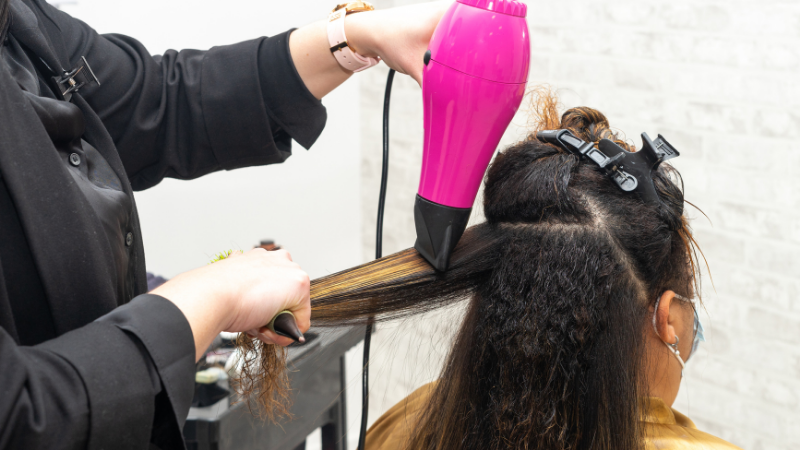
Hair that has been chemically straightened, relaxed, or bleached behaves differently because its internal structure has been permanently altered. Chemical straighteners and relaxers break and rearrange disulfide bonds within the hair fibre, while bleaching lifts the cuticle and degrades internal protein to remove pigment.
For this type of hair, keratin treatments may improve surface smoothness but do not address deeper structural weakness. In some cases, repeated keratin smoothing can add rigidity to already compromised strands.
Protein treatments, particularly those using hydrolysed proteins, are often more suitable for chemically processed hair when used in moderation. They help reinforce weakened areas and support elasticity, especially when paired with consistent moisture. Bleached or heavily colour-treated hair typically benefits most from a balanced approach that includes protein, hydration, and gentle handling rather than intensive smoothing treatments alone.
The Role of Hair Porosity
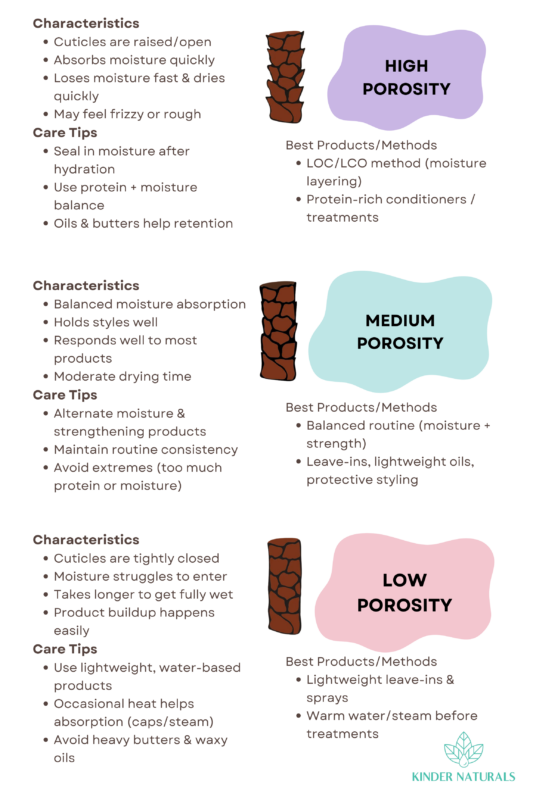
Hair porosity describes how easily hair absorbs and retains moisture and plays a significant role in how keratin and protein treatments behave.
Low porosity hair has tightly closed cuticles that resist penetration. Heavy keratin or protein treatments may sit on the surface and cause buildup. This hair type often responds better to lightweight protein use and heat-assisted conditioning.
Medium porosity hair is generally well balanced and can tolerate occasional protein treatments alongside gentle keratin-infused products.
High porosity hair has raised or damaged cuticles and loses moisture easily. Studies show that protein treatments can help fill gaps in the cuticle, improving strength and moisture retention⁷. This hair type often benefits the most from regular but balanced protein support.
Hydrolysed Protein in Everyday Haircare

Hydrolysed proteins are commonly used in leave-in treatments and sprays because their smaller molecular size makes them suitable for frequent use without excessive buildup.
Hydrolysed protein helps support strength, elasticity, and breakage reduction when used consistently. This is why it is often included in daily or regular-use products rather than intensive treatments.
At Kinder Naturals, hydrolysed protein is used in our Dream Hair Growth Spray and Prosper Hair Growth Spray to help reinforce weakened strands while supporting moisture balance. These lightweight sprays are designed to work across hair textures and porosity levels, making them suitable for protective styles, low-manipulation routines, and consistent scalp and length care.
Signs Your Hair May Need Protein
Your hair may benefit from protein support if it feels overly soft, struggles to hold styles, breaks easily during detangling, or feels weak despite being moisturised⁸.
Signs of Protein Overload
Protein overload can occur when hair receives more protein than it can tolerate, particularly without adequate moisture. Signs include stiffness, dryness, tangling, and snapping. In this case, reducing protein use and increasing hydration is essential.
Final Thoughts
Keratin and protein treatments are not interchangeable, and neither should be used without understanding your hair’s needs. Scientific research supports the idea that healthy hair depends on balance rather than extremes.
By considering your hair type, texture, and porosity, you can make informed decisions that support long-term hair health rather than short-term trends. Protein and keratin both have a place in haircare, but only when used intentionally and in moderation.

References
2. Feughelman, M. Mechanical Properties and Structure of Alpha-Keratin Fibres. UNSW Press.
3. Dias, M. F. R. G. “Hair Cosmetics: An Overview.” International Journal of Trichology, 2015.
4. Daniels, R. “Hydrolyzed Proteins in Hair Care.” Journal of Cosmetic Science.
5. Swift, J. A. “Human Hair Cuticle: Biologically Conspired Structure.” Journal of Cosmetic Science.
6. Robbins, C. R. “Textured Hair: Structure and Fragility.” Dermatologic Clinics.
7. NYSCC. “An Overview on Hair Porosity and Hair Fibre Damage.” https://nyscc.org
8. Draelos, Z. D. “Hair Cosmetics and Treatment Selection.” Dermatologic Clinics, 2013.